A commitment taking shape

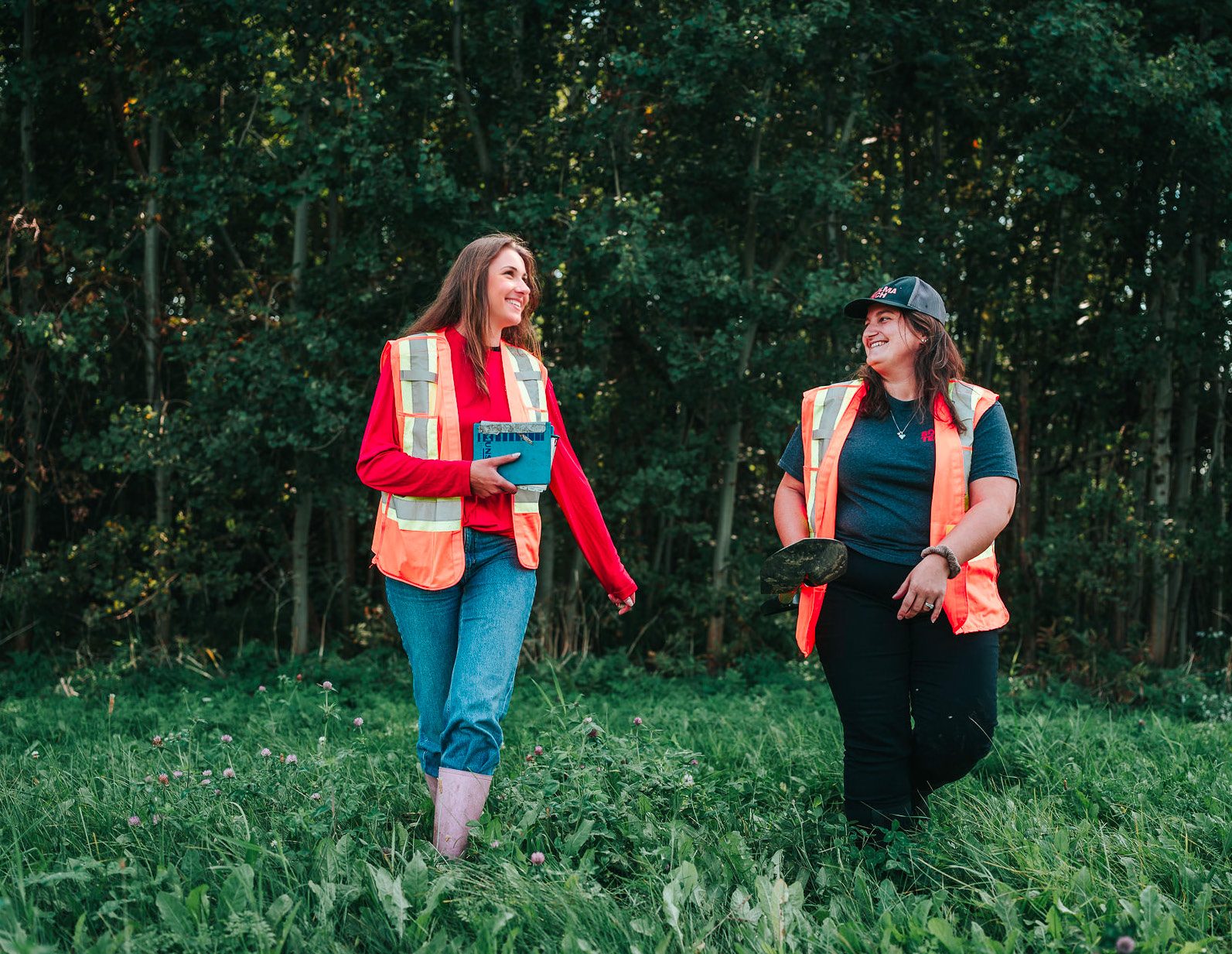
Together, guided by respect and everyone's well-being, let us commit with agility and authenticity to building a sustainable future.
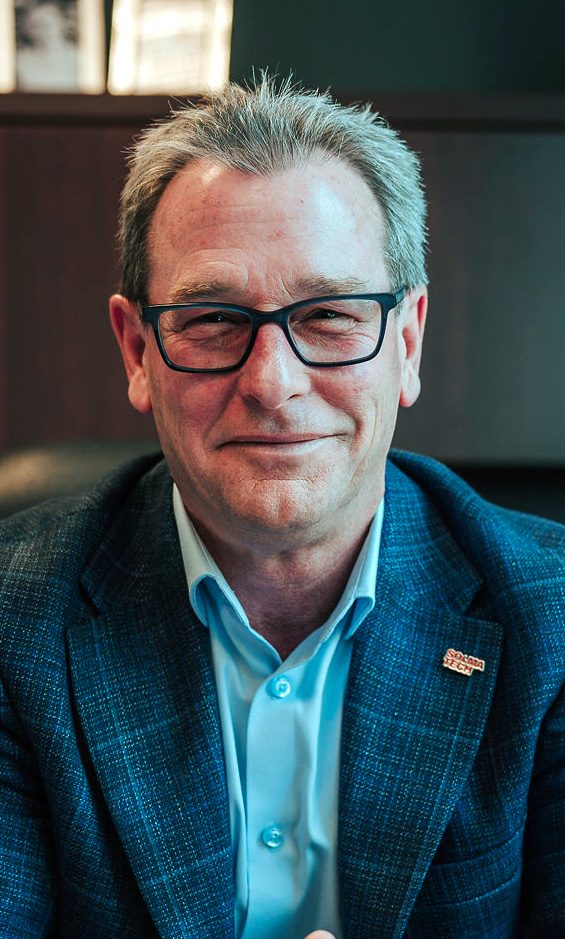
The publication of this first ESG report reflects Solmatech's determination to anchor its performance in a sustainable, rigorous and structured vision. This approach allows us to identify our priority issues, set measurable targets and integrate environmental, social and governance factors into our strategic management.
At the heart of this reflection are the people who are Solmatech's true strength. Every day, our teams put their expertise, judgment and rigour to work on projects that are essential to communities. Health, safety, skills development and recognition of work well done are at the core of our priorities, as they are essential conditions for the quality of our services and the continuity of our know-how.
This report is the starting point of a long-term commitment. It is part of a continuous improvement process guided by transparency, consistency and the desire to build a responsible, resilient and sustainable company.
I would like to thank all the teams who contribute every day to making Solmatech a committed, forward-looking organization firmly rooted in its values.”
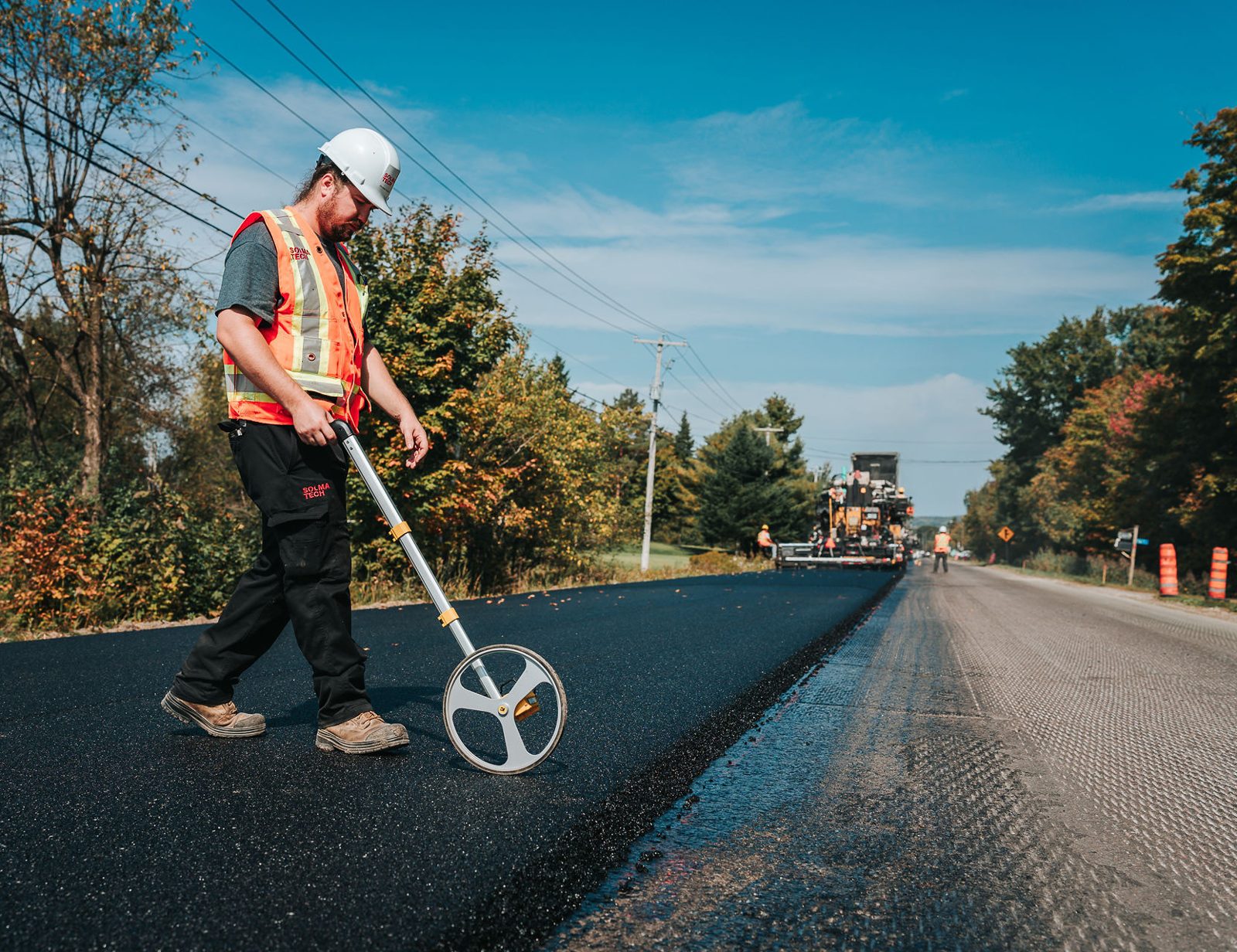
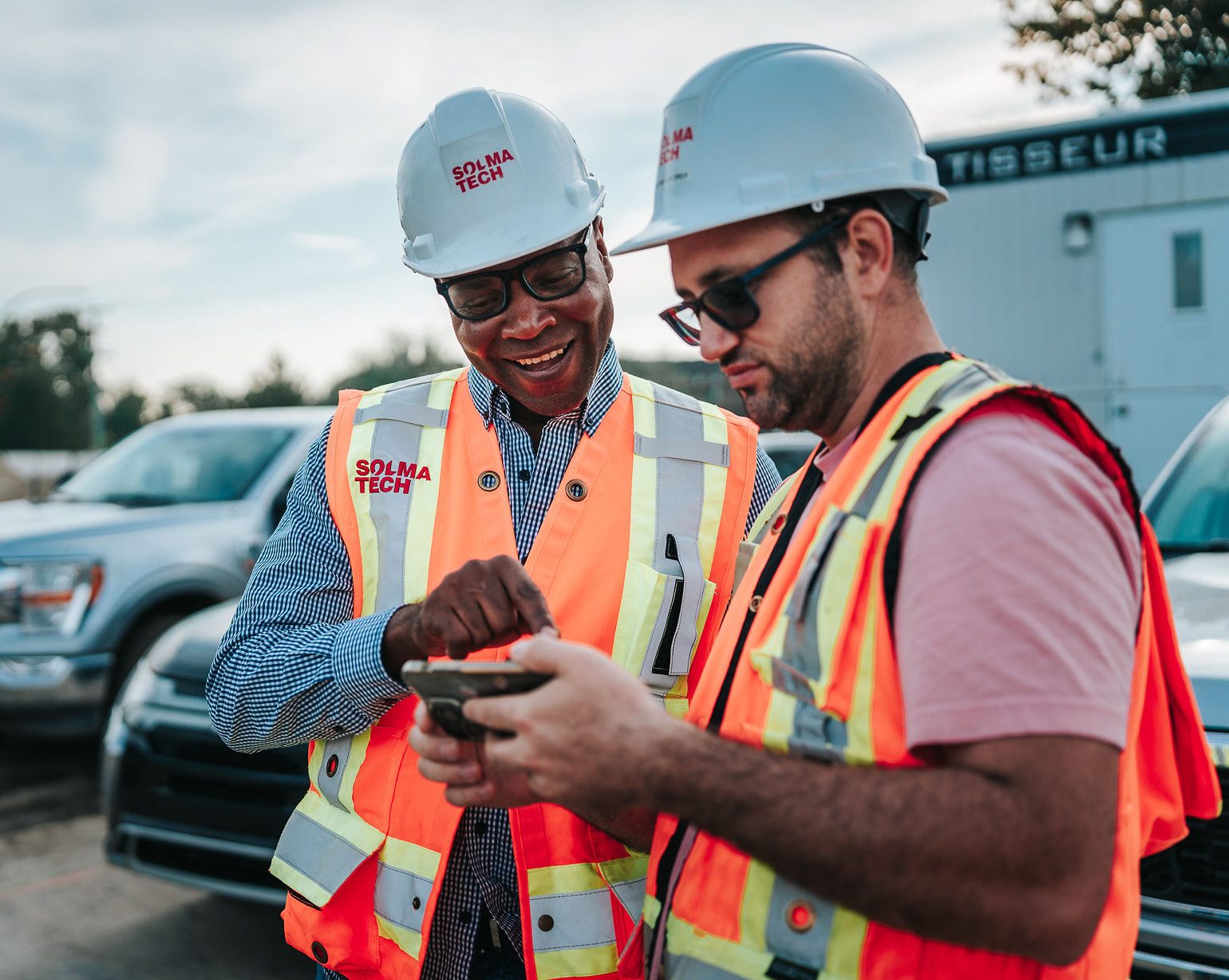
We offer comprehensive expertise in materials engineering, geotechnics, environment and metallurgy. We are involved in municipal, commercial, industrial and residential projects in Quebec and elsewhere, and we carry out geotechnical studies, site monitoring, as well as slope assessments and stabilization.
We also specialize in the rehabilitation of contaminated sites and quality control of construction materials, ensuring durable structures through customized and innovative solutions.
30 years
of expertise
8
laboratories
385
employees
Solmatech ensures the quality of materials and the longevity of structures, with a view to protecting the environment for future generations.
To be the employer of choice and the technical partner for innovative projects that build a sustainable future.
Respect.
Commitment.
Well-being.
Agility.
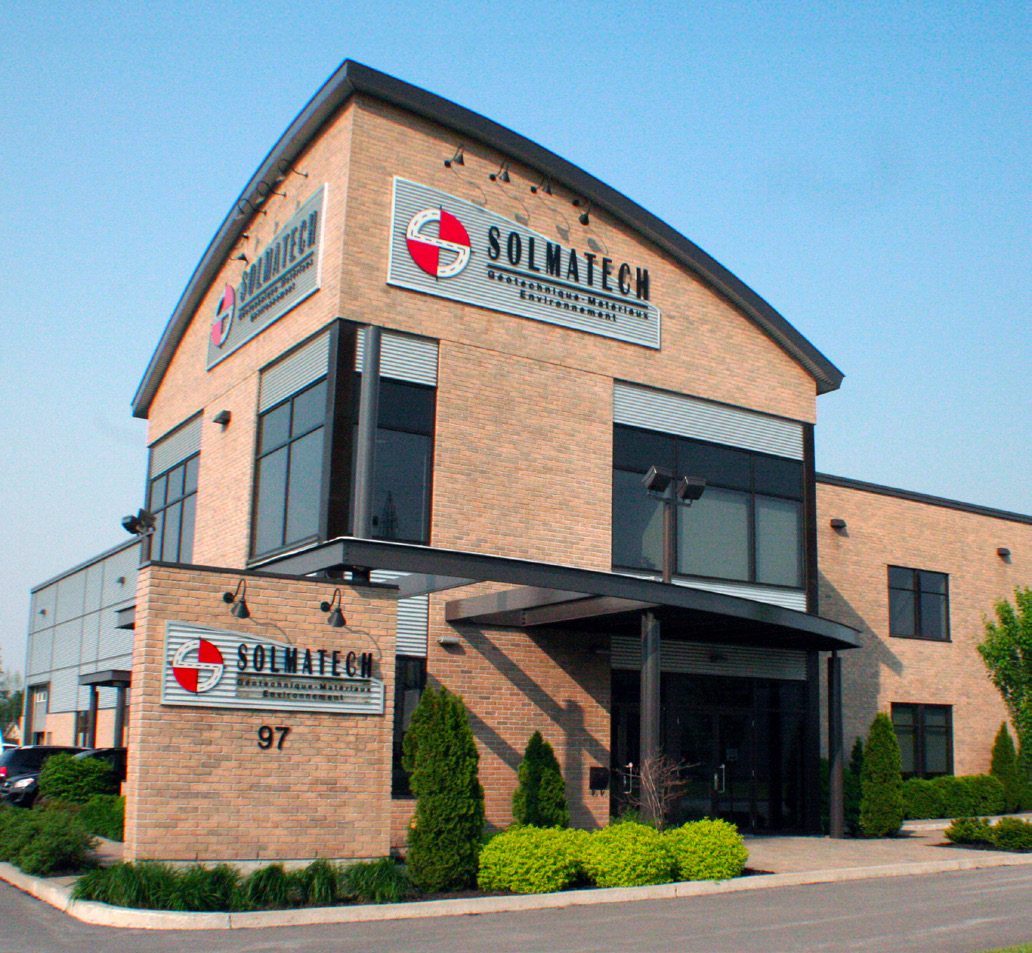
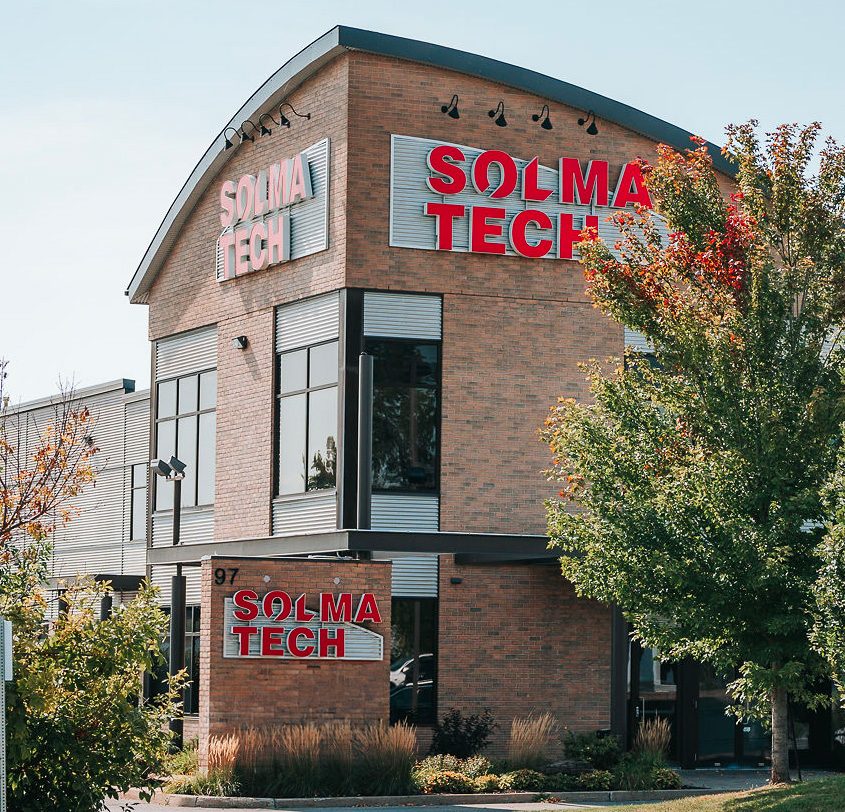
We believe that our firm's strength lies in our stakeholders. Internally, our employees and investors carry our vision. We owe them an environment where innovation, safety, inclusion and transparency are not just words, but daily commitments. Externally, airports, contractors, industries, the mining, rail and wind sectors, power grid operators, government departments and municipalities entrust us with their projects.
Each has clear expectations: performance, compliance, energy transition and social acceptability.
We hear them. We understand them. We act.
We hear them.
We understand them.
We act.
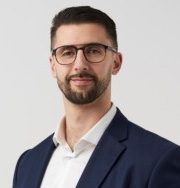 Steven Di Ciocco
The implementation and evolution of the ESG management framework are led by Steven Di Ciocco, ESG Lead at Solmatech. Under his leadership, an ESG committee was formed, bringing together representatives of the main business units and administrative functions to ensure the coordination, consistency and follow-up of ESG initiatives across the organization.
The team is responsible for defining ESG objectives and the related performance indicators, and for integrating ESG factors into strategic and operational decision-making, in line with the company's business objectives.
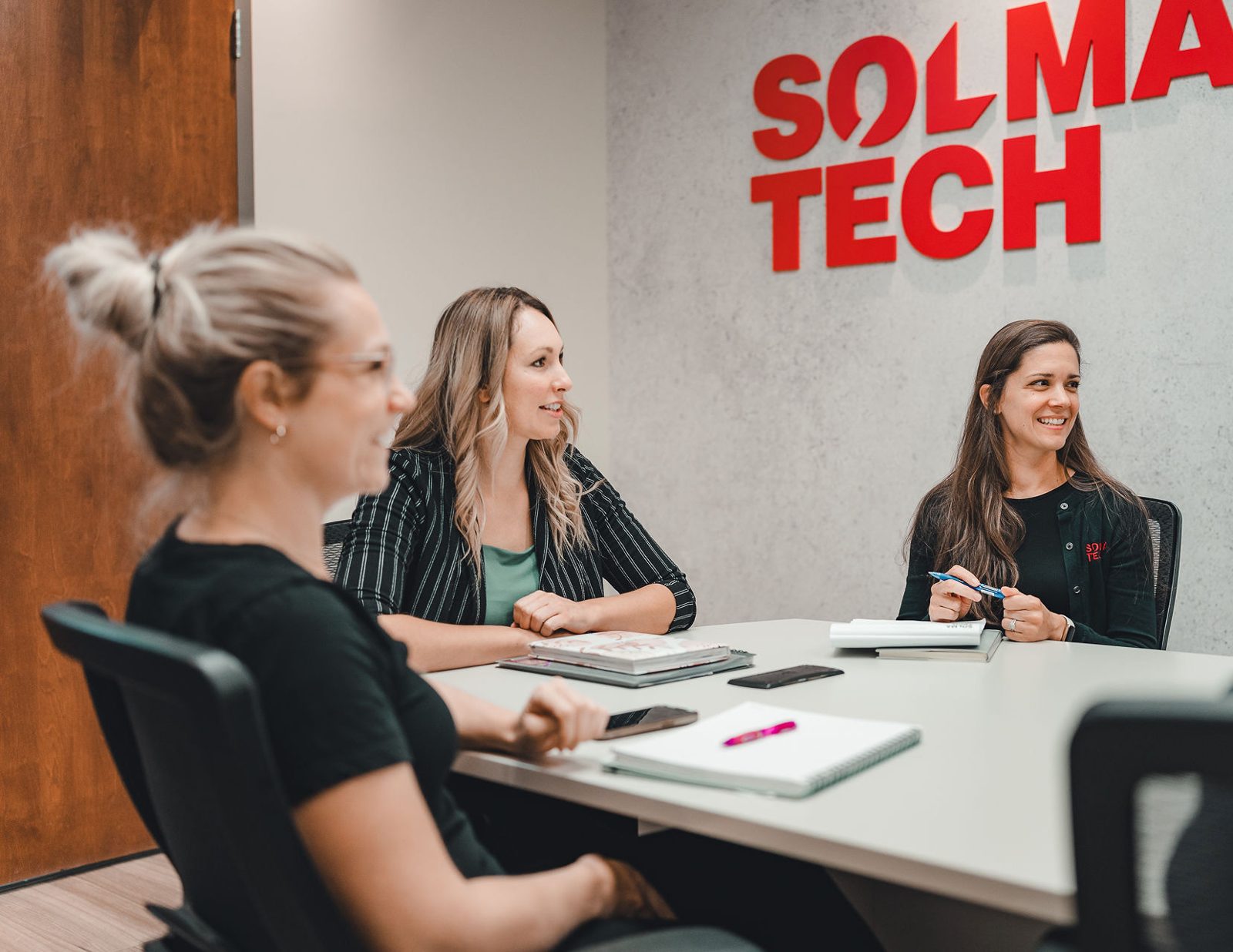
In 2025, Solmatech's ESG committee carried out a structured self-assessment of the company's sustainability performance and maturity. The exercise was based on two recognized frameworks: the BNQ 21000 standard, which guides the integration of sustainable development into organizational management, and the material issues of the SASB (Sustainability Accounting Standards Board). This self-assessment and consultations with Solmatech's stakeholders enabled the ESG committee to align Solmatech's 2026 ESG priorities with the economic realities specific to its industry.
This two-pronged methodology made it possible to identify Solmatech's main strengths and the areas for improvement to prioritize, while strengthening consistency between internal practices and stakeholder expectations.
Although Solmatech is first and foremost a professional and technical services firm, its role in protecting the environment is central. Through the very nature of its activities — materials quality control, soil characterization, environmental monitoring and geotechnical testing — the company contributes directly to the durability and environmental performance of Quebec's infrastructure.
Through its practices, Solmatech acts as a driver of the transition to a more resilient, lower-carbon economy by supporting environmental compliance, materials innovation and the preservation of natural resources in the construction sector.
Reduce GHG emissions compared with the baseline year
Since 2019, Solmatech has tracked its Scope 1, 2 and 3 (commuting) GHG emissions.
More than 95% of our recorded emissions come from travel to client job sites and employee commuting to the office. It is therefore essential to focus on employee travel policies, both on job sites and at Solmatech's offices, in order to decarbonize our operations.
| Year | t CO₂e | kg CO₂e / $ |
|---|---|---|
| 2019 | 835 | — |
| 2020 | 810 | 0.031 |
| 2021 | 805 | 0.023 |
| 2022 | 910 | 0.024 |
| 2023 | 820 | 0.021 |
| 2024 | 960 | 0.022 |
| 2025 | 975 | 0.018 |
Reduce Scope 1 and 2 GHG emissions by 10% by 2035 compared with the 2019 baseline, while offsetting these emissions through the purchase of carbon credits.

The company has had to revise its targets in light of the challenges of recent years. Its rapid growth, with revenue up nearly 80% since 2019, has led to more job sites and therefore more travel.
The COVID-19 pandemic severely disrupted fleet electrification due to rising electric vehicle costs and limited inventory.
In addition, the limited availability of charging infrastructure on some job sites, particularly in northern regions, makes it difficult to replace gasoline vehicles in the short term.
Solmatech continues to work on its GHG inventory and reductions with humility and constant transparency.

Despite our growth, GHG emissions per dollar of revenue decreased by 40% between 2020 and 2025.
Solmatech has remained carbon neutral since 2020 by offsetting its residual Scope 1 and 2 emissions.
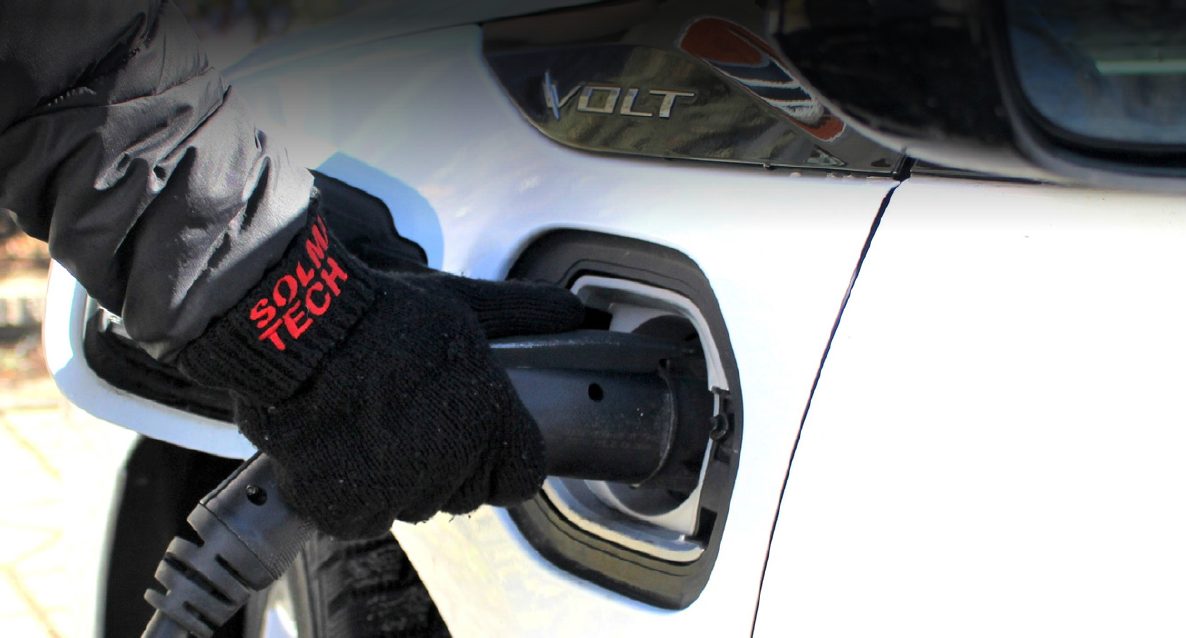

Develop, by the end of 2026, an electric mobility incentive strategy based on employees' actual needs, as measured through an internal consultation.
Installation of 10+ free Level 2 charging stations at our branches, managed for efficient rotation.
Gradual electrification of the fleet (already 16 electric or plug-in hybrid vehicles).
Use of the RCP Platform to generate revenue to support the energy transition.
Annual purchase of certified carbon credits (VERs) to offset all residual Scope 1 and 2 emissions.
Long-term investment with TreesOfLives to restore ecosystems in the Amazon and strengthen carbon sequestration.
Optimize the energy performance of buildings and equipment to reduce energy consumption and improve operational efficiency.
Our operations rely on offices, warehouses and laboratories with multiple sources of energy consumption, from heating and ventilation systems to specialized technical equipment. Until recently, no indicator made it possible to measure their performance or identify potential savings. Aware of the importance of integrating energy into our ESG strategy, we have launched a structured process to better understand our usage and improve our overall energy efficiency.
Dealing with energy-intensive laboratory equipment that often runs continuously.
Maintaining thermal stability despite field technicians frequently coming and going.
Balancing the varied thermal comfort needs of different teams.
We have already launched a Level 1 energy audit covering five buildings, an essential first step in understanding our actual consumption and guiding our future actions.
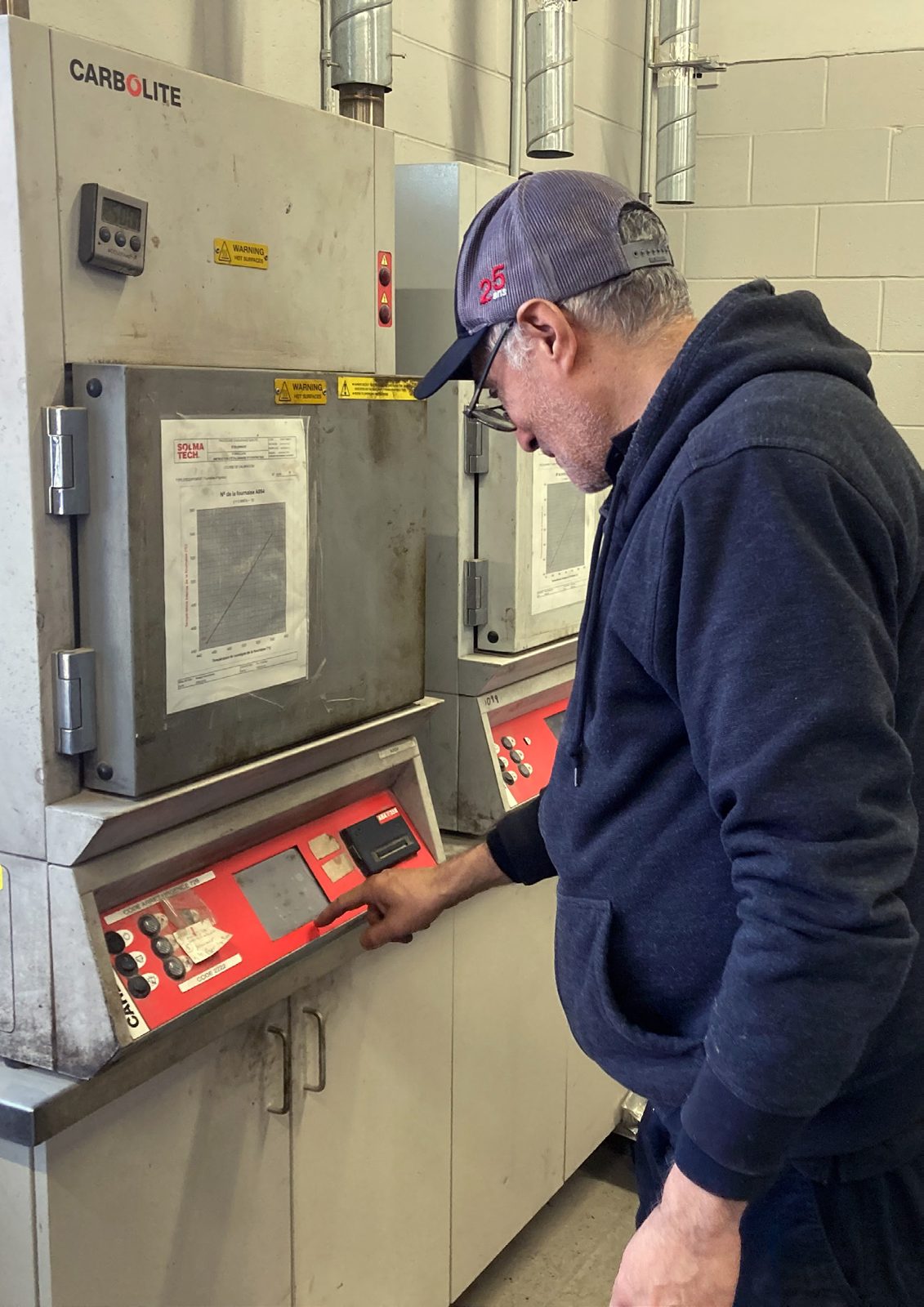
Use the audit results to establish precise indicators and track changes in consumption.
Identify and gradually replace the most energy-intensive laboratory equipment with more efficient alternatives.
Implement targeted improvements to reduce the load on heating, ventilation and air conditioning systems, and reduce energy losses caused by frequent movement between the outdoors and work areas.
Set an implementation schedule for the recommended measures, aligned with the ESG strategy and day-to-day operations.
Reduce the environmental impact of our operations by improving the management, quantification and recovery of residual materials generated on job sites and in the laboratory.
Our technical activities generate a variety of residual material streams. A recent self-assessment provided an initial picture and confirmed the need to better structure their management, sorting and recovery. At the same time, we show industry leadership by contributing to initiatives and committees dedicated to the circular economy, a commitment that reflects our teams' values and their desire to protect natural resources.
Efficiently managing material streams in a decentralized business model, with operations spread across many sites.
Dealing with the unavoidable use of single-use materials and the difficulty of properly separating materials when they mix with those of clients or contractors.
Overcoming client reluctance toward recovered materials by providing clear technical assurances about their quality and performance.
Having reliable data to set reduction targets and guide responsible management practices.
We have already completed an initial self-assessment of our material streams and actively contribute to industry progress on the circular economy, laying the groundwork for a more structured responsible management approach.
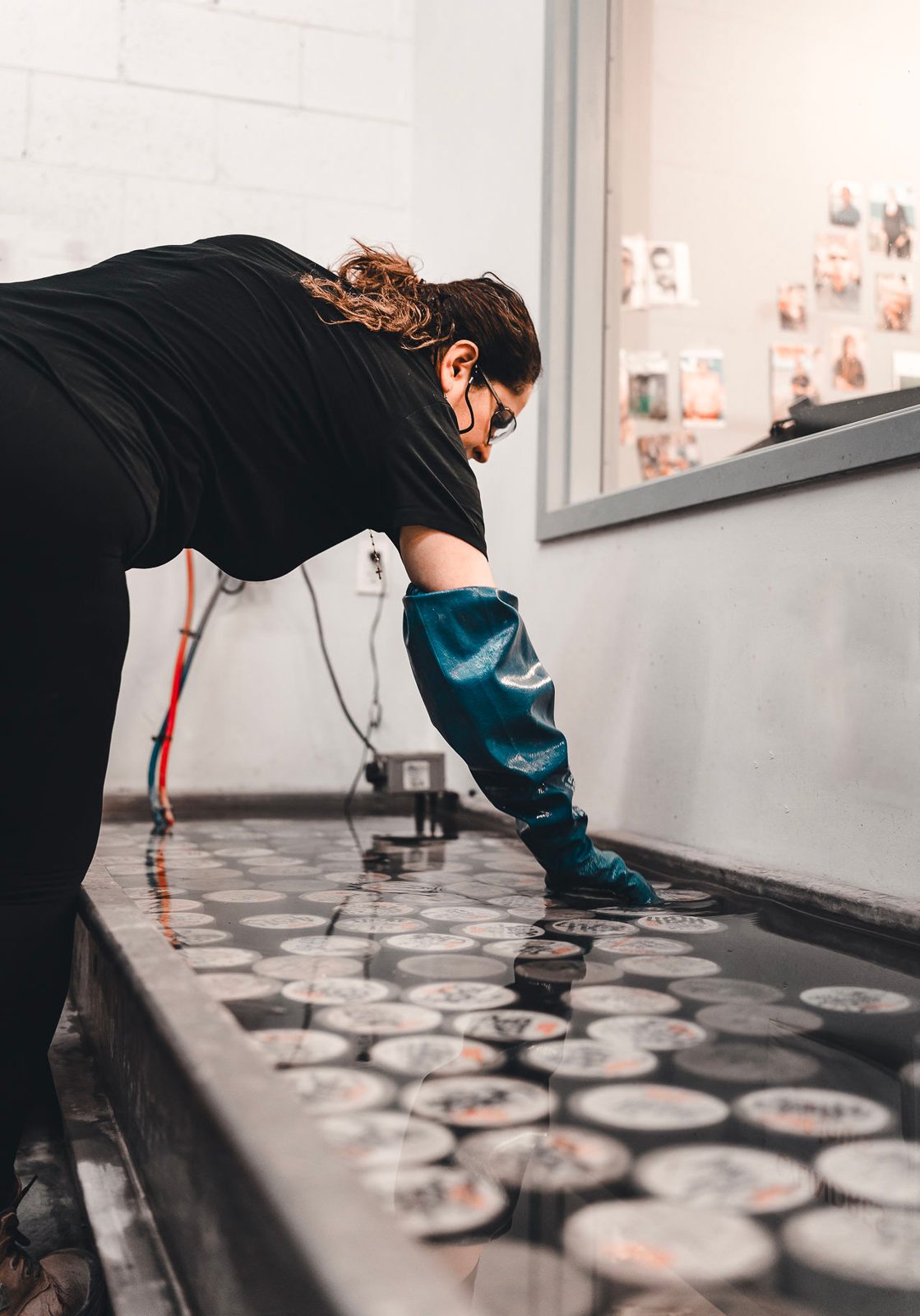
Continue quantifying the streams generated to have solid data to guide decisions.
Set landfill diversion objectives adapted to the realities of job sites and laboratories.
Identify and select the most relevant options to reduce the environmental impact of the main streams.
Strengthen material separation and management methods in a multi-site context.
Provide independent testing and validation to support the adoption of recovered materials in projects.
Structure and strengthen Solmatech's social commitment while supporting the training of the next generation and the development of local communities.
Since its beginnings, Solmatech has supported the communities around it. Out of conviction and attachment to the communities where we operate, we have contributed over time to many cultural, sports and philanthropic causes. We now want to bring structure to this generosity.
Setting up a formal sponsorship structure requires balancing spontaneity and consistency: moving from a culture of informal giving to a sustainable, measurable framework.
It is essential to balance local and national commitments so that the social benefits remain tangible in every region where Solmatech operates.
Rolling out pro bono services requires close coordination between operational teams and beneficiary organizations to ensure real, lasting impact.
The first workplace giving campaign was successfully launched in October 2025.
The Solmatech Academy has already trained 30 newcomers, leading directly to the hiring of 30 employees.
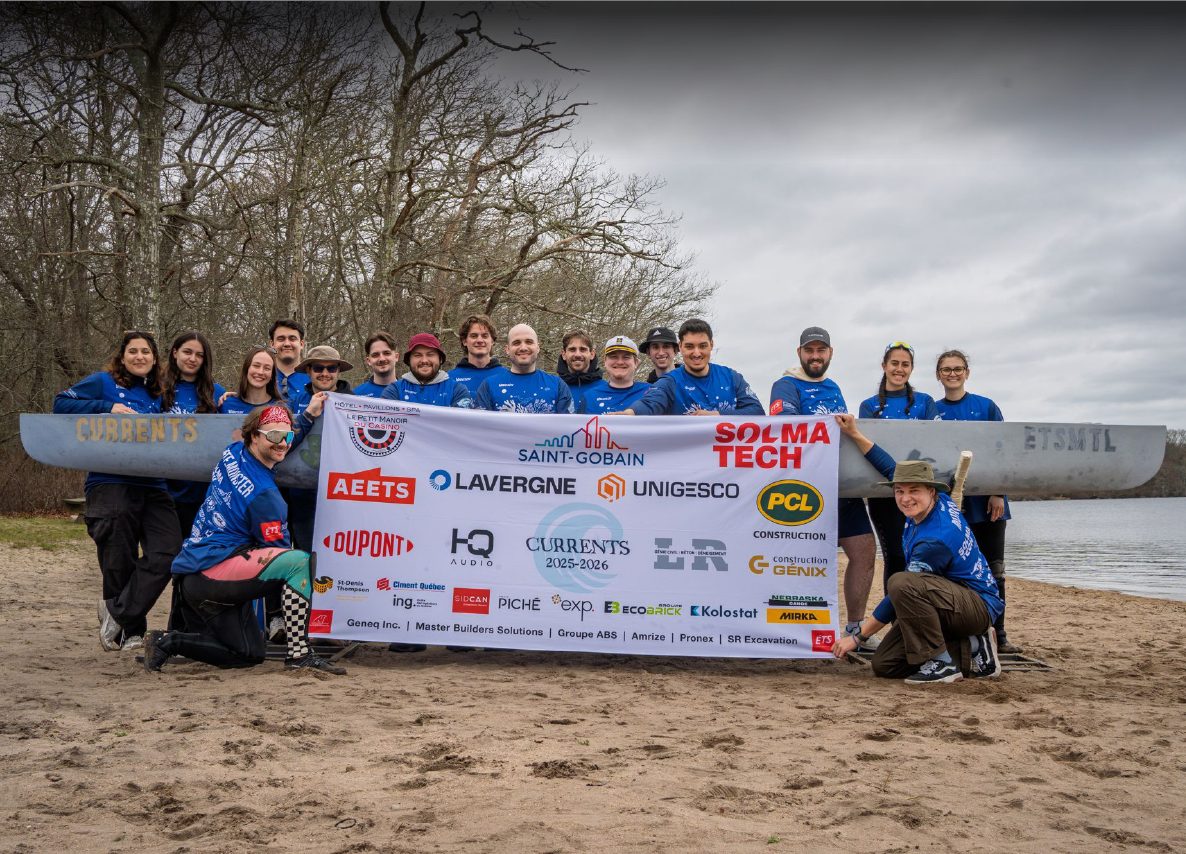
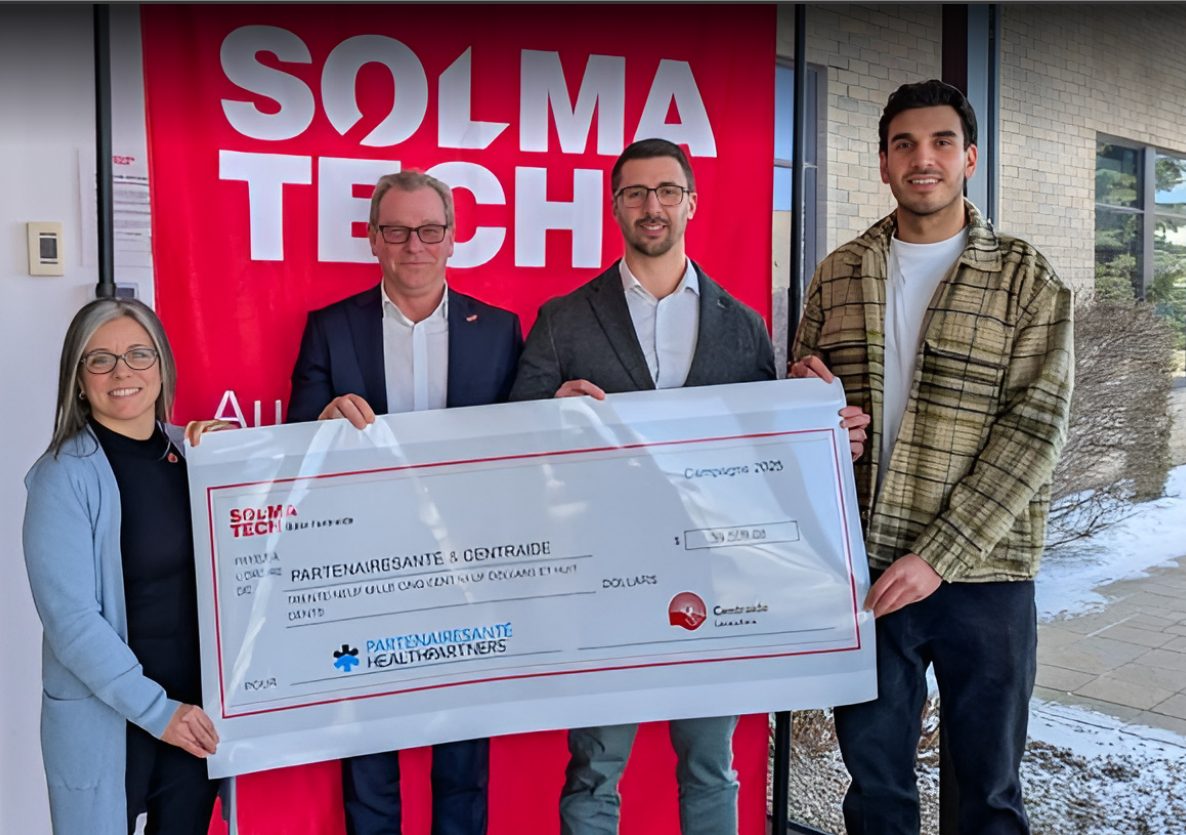
Introduction of an annual giving target to support sustainable initiatives aligned with the company's values.
Collaboration with HealthPartners and Centraide to amplify the social impact of internal giving campaigns.
Free technical support, as part of calls for tenders, for projects selected for their strong social impact — those that improve the quality or safety of living environments, encourage inclusion or promote knowledge transfer.
An internal training program to develop newcomers' skills in civil engineering job sites and materials monitoring.
Partnerships with educational institutions (CEGEPs, universities, trade schools).
Sharing expertise with students and young professionals through mentoring, training and collaborative projects.
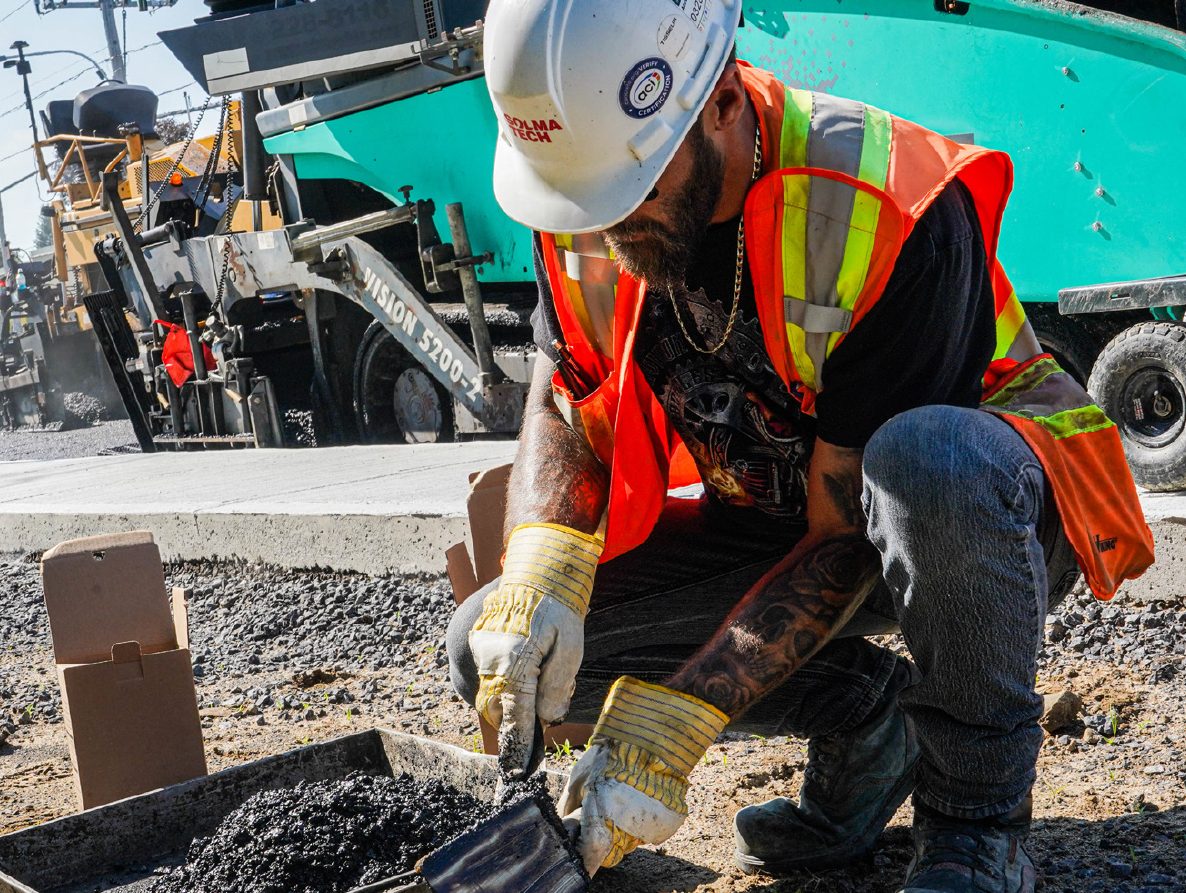
Employee health, safety and well-being are at the heart of Solmatech's performance and corporate culture, both on job sites and in the office.
On job sites, employees apply OHS procedures, report hazards and contribute to safe practices. Job safety analysis (JSA) sheets are constantly improved thanks to their feedback. In the office, Solmatech fosters a healthy, respectful and collaborative environment. The company's strong growth has highlighted the need to move to centralized, dedicated OHS management.
Solmatech's teams work under constant pressure: high client expectations, varied technical challenges and rapidly evolving regulatory standards.
Increasing requirements on job sites create stress and call for healthy workload management.
On job sites managed by other prime contractors, employees must integrate into external teams while maintaining Solmatech's OHS culture.
In 2024, a dedicated OHS committee was created to centralize and standardize policies across all sites, strengthen employee training, improve the monitoring of risks and incidents, and develop performance indicators.
Since 2023, Solmatech has held Concilivi certification, a Quebec designation granted to organizations that make a concrete commitment to implementing and maintaining exemplary work-family balance practices.
In 2025, the work-life balance policy was expanded to include caregiving.
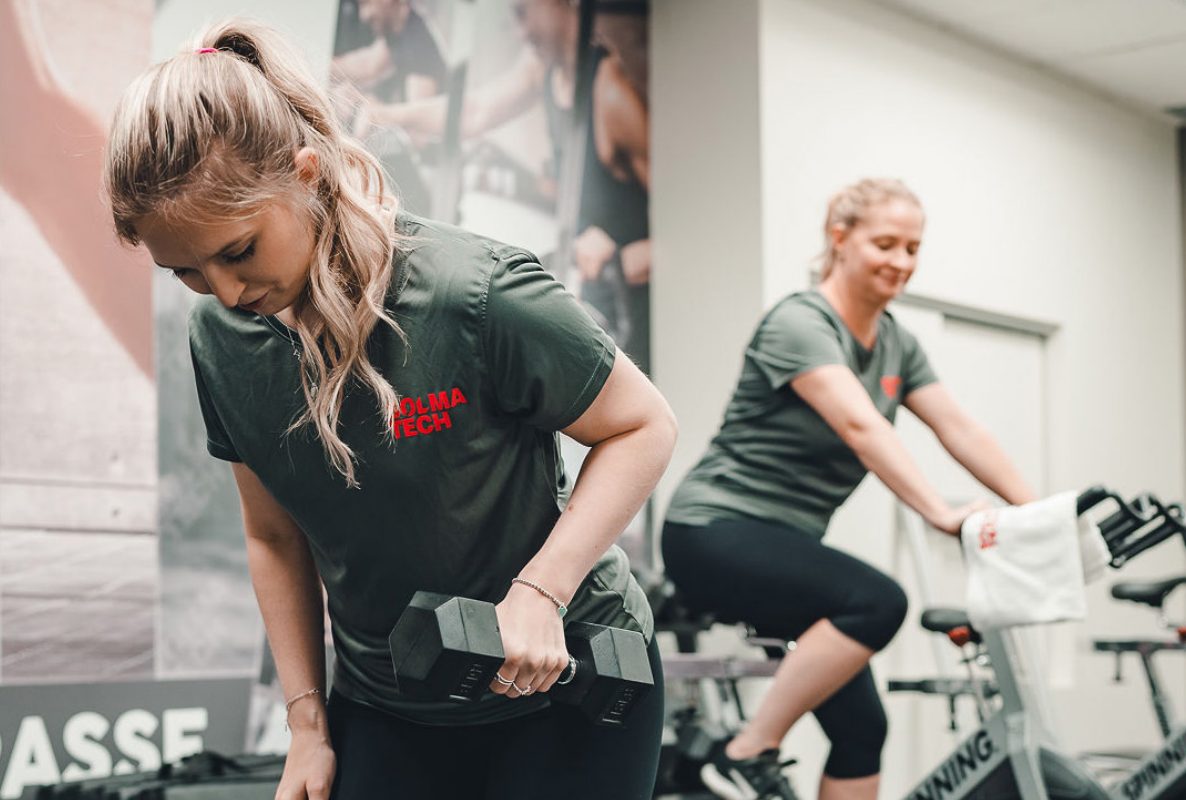
Maintain Concilivi accreditation and aim for 85% employee satisfaction with flexibility by 2029.

Introduce a responsible disconnection charter by 2027, along with an awareness campaign on the right to disconnect and stress management.
Train 100% of managers in best practices for managing flexibility under the Concilivi seal by 2028.
Shift management toward an approach focused on deliverables rather than physical presence, giving employees greater autonomy by 2029.
Include work-life balance in managers' performance evaluations to support team balance.
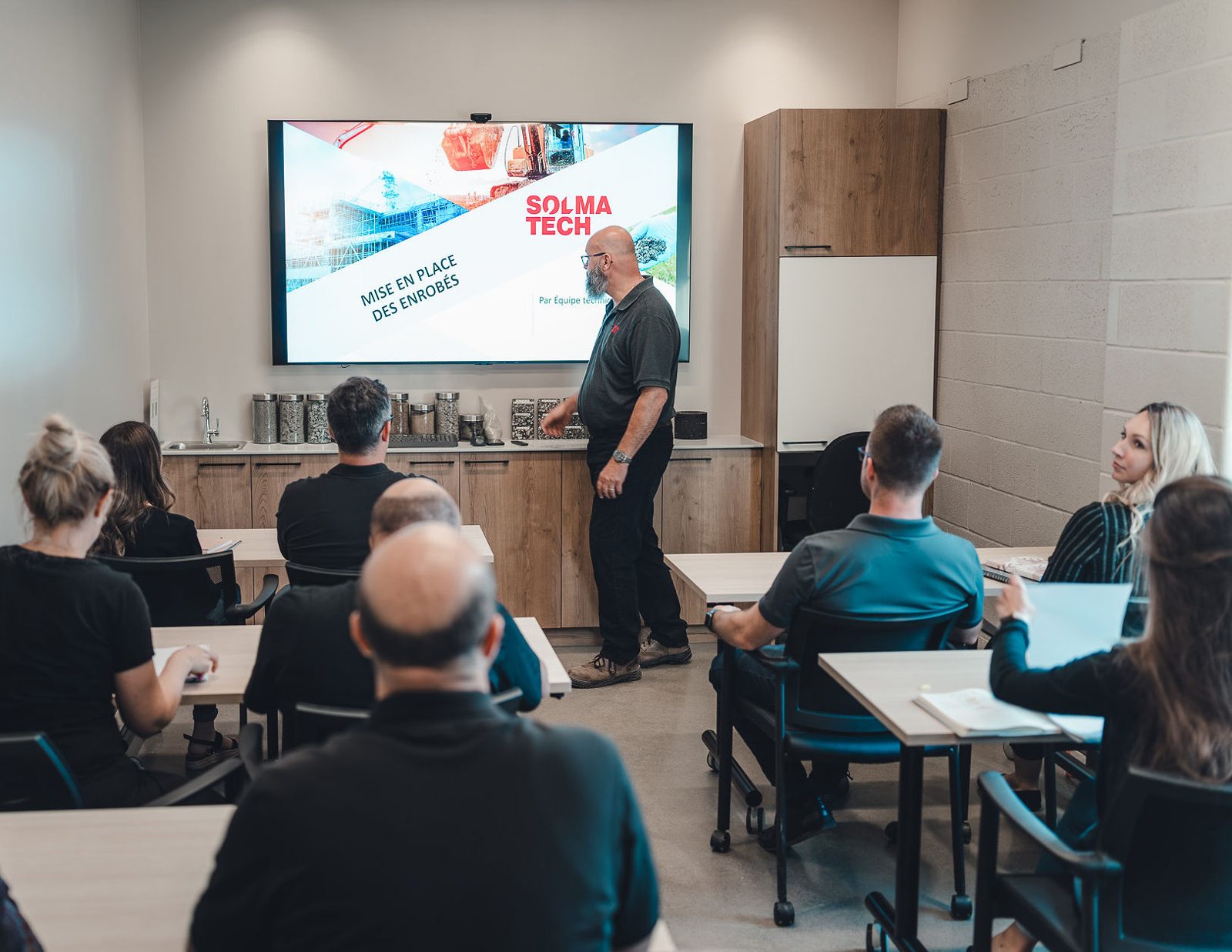
Place skills development and employees' professional growth at the heart of Solmatech's strategy.
The quality of our services depends directly on the expertise and motivation of our people. We therefore invest in continuing education, mentoring and career development so that every employee can grow in a role aligned with their strengths and aspirations. This personalized approach guides talent management and aims to create a sustainable, inclusive and stimulating work environment where the company grows in harmony with its teams.
Ensuring skills development in a context of heavy workloads and positions requiring highly specialized expertise.
Encouraging shared knowledge transfer while supporting employees' skills growth and career aspirations.
A review of e-learning platform solutions is already under way, and training topics are being structured by division. The first content is being developed.
Foster a fair, inclusive and representative workplace where diverse profiles are recognized, valued and integrated into management practices.
Our teams already benefit from a wealth of backgrounds, experiences and origins, an asset that stimulates creativity and the quality of our services. To build on this advantage, we want to structure our equity, diversity and inclusion (EDI) approach. This means better understanding the makeup of our teams, recognizing the diverse voices within them, and ensuring an environment where everyone feels welcome and empowered to contribute.
Ensuring that our existing diversity is matched by a truly inclusive, bias-aware management culture.
Supporting managers who lack tools and structured training to adopt inclusive leadership practices.
Working with teams of varied profiles (age, background, experience), which requires attentive management so that everyone finds their place.
Addressing the lack of indicators to formally measure and track diversity and inclusion within the organization.
We already have strong internal diversity and have begun an organization-wide reflection on EDI, notably by recognizing the need for tracking indicators and by giving greater value to the diverse backgrounds and voices within our teams.
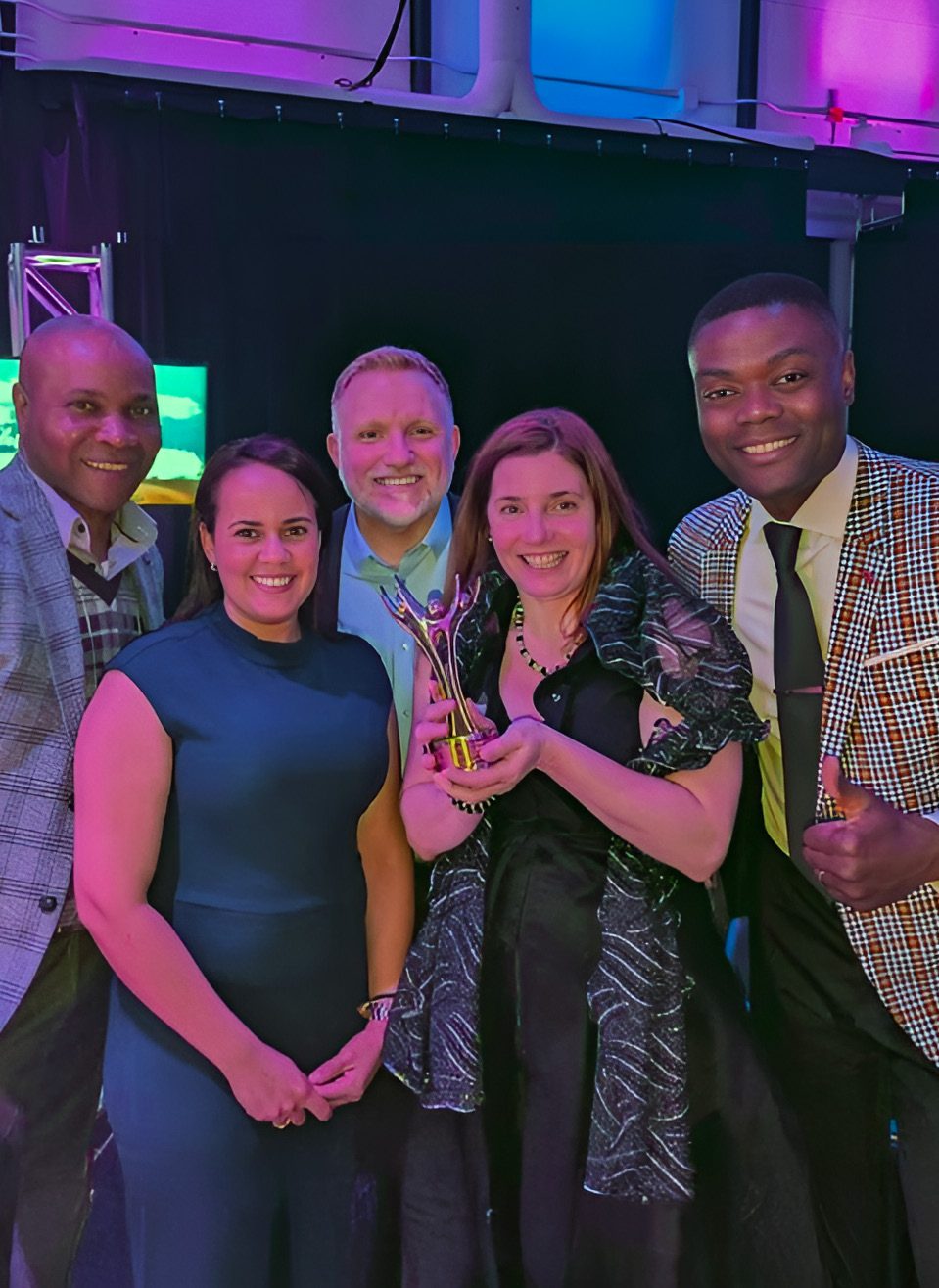
Recipient of the 2023 Ethnocultural Diversity and Immigration Award from the Chambre de commerce de la MRC de L'Assomption.
Develop and deliver targeted training to raise managers' and teams' awareness of EDI concepts and unconscious bias.
Introduce tools and indicators to measure diversity, track the evolution of inclusive practices and guide organizational decisions.
Highlight the variety of career paths and experiences within our teams to strengthen the sense of belonging and recognition.
Frame recruitment, evaluation and promotion processes to reduce bias and ensure fair treatment for all.
Foster team environments where everyone can speak up, be heard and contribute fully, regardless of their profile or experience.
Do employees work in compliant and fair conditions?
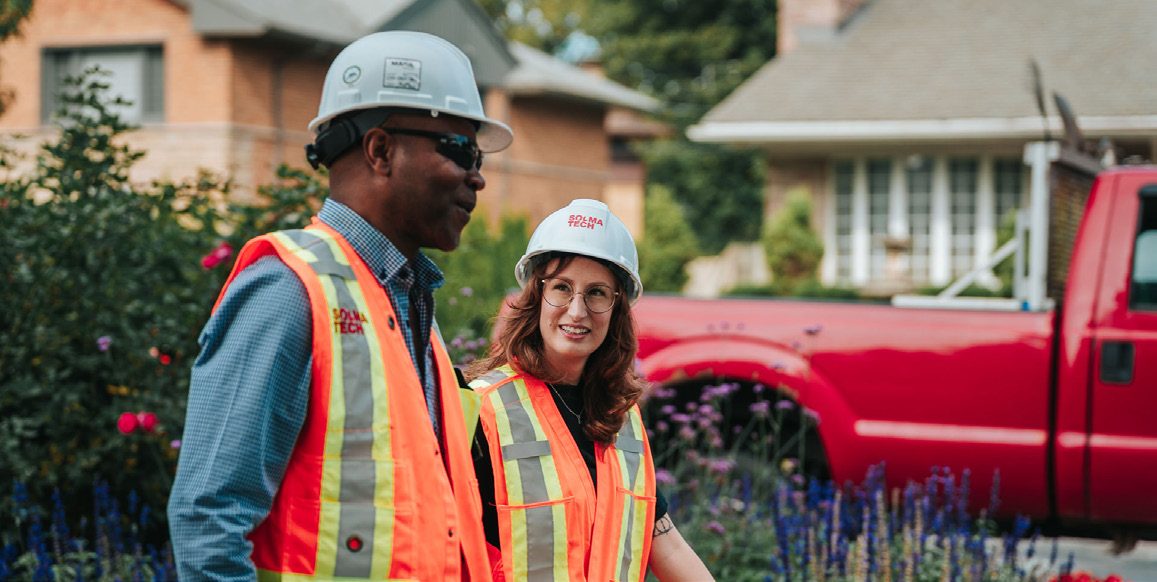
Solmatech operates in a highly competitive market for specialized technical labour. The conditions offered are in line with the market, and the compensation structure includes performance-based bonuses for certain positions, fostering a culture of accountability and commitment. For professionals who are not on job sites, the company offers remote work and great flexibility, allowing everyone to build their own schedule and shape their position.
Intense competition for specialized labour leads to frequent outside job offers, increasing pressure on talent retention.
Employee expectations are shifting toward more flexibility and modern services such as telemedicine, well-being and work-life balance programs, beyond traditional benefits.
Technicians working on varied and sometimes remote job sites face risks related to safety, travel and irregular hours.
The conditions offered by Solmatech are considered competitive, with performance-based bonuses for several types of positions. For professionals who are not on job sites, remote work and flexible hours are already recognized advantages that foster autonomy and engagement.
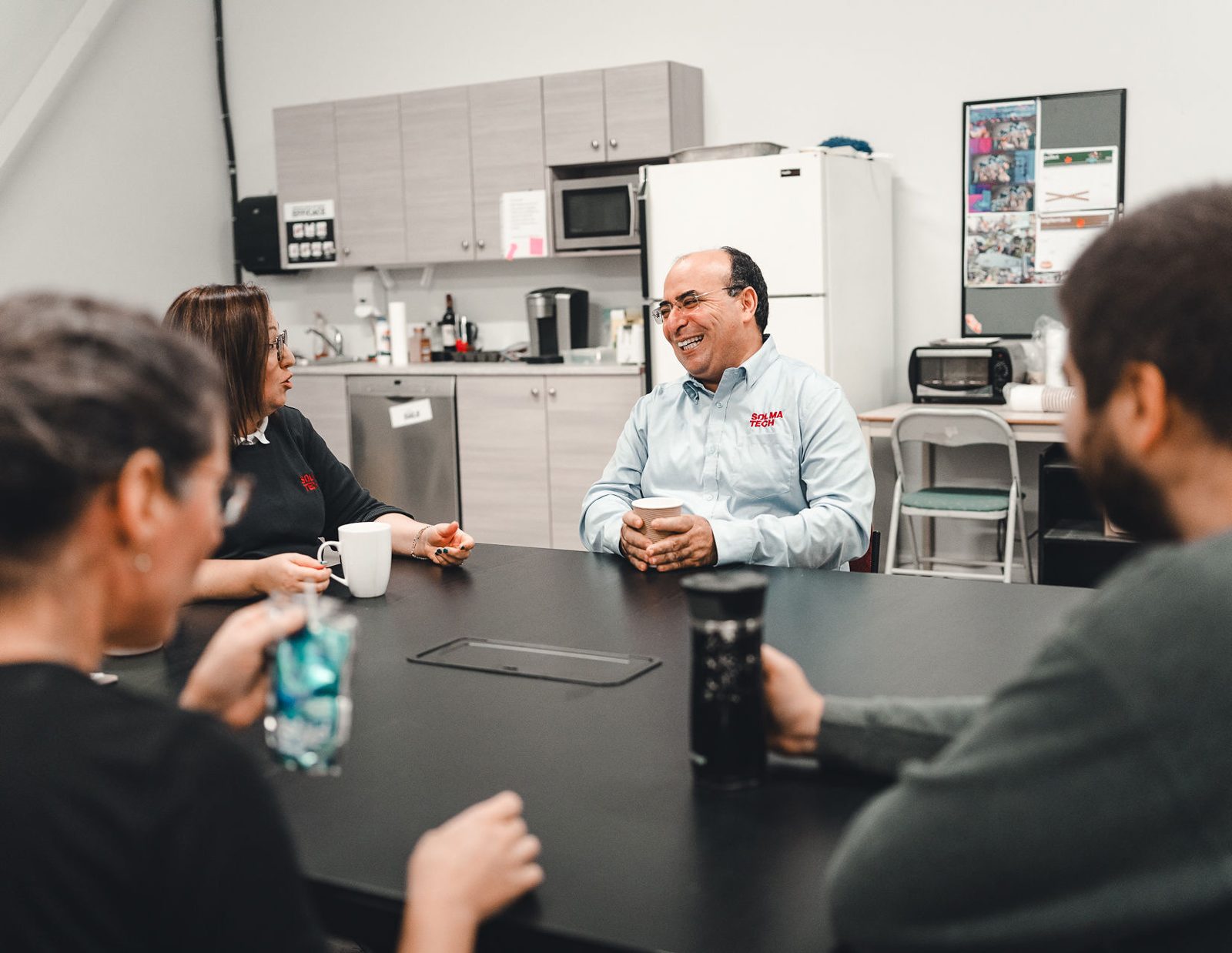
At Solmatech, governance is based on the principle that doing our part means acting with rigour, transparency and integrity, and that the company's long-term future depends on the active involvement of its shareholders. In an industry where trust and technical precision are essential, strong governance is the foundation of service quality, regulatory compliance and sustainable operations.
This approach ensures that Solmatech fulfills its role with professionalism, accountability and a long-term vision, building on the active commitment of its shareholders and shared values, thereby strengthening the trust of its clients, partners and employees.

Move toward closer governance by turning accountability into an ongoing dialogue rather than a simple annual compliance exercise.
Historically based on an annual management review, Solmatech recognizes that this single cycle no longer fully meets current expectations. Employees and partners clearly want smoother, more frequent access to information about the board's decisions and the firm's strategic issues. This interest is seen as a major lever for engagement, ensuring better alignment between management's vision and realities in the field through periodic updates on progress toward financial and ESG objectives.
Defining what should be shared and what must remain confidential, to keep communication relevant without overloading teams.
Deploying more agile data extraction systems than those used for the annual review, to produce financial and non-financial indicators more frequently.
The management committee has already set in motion the content of the first report, to be published by the end of 2026, and intends to establish a shared dialogue with stakeholders.
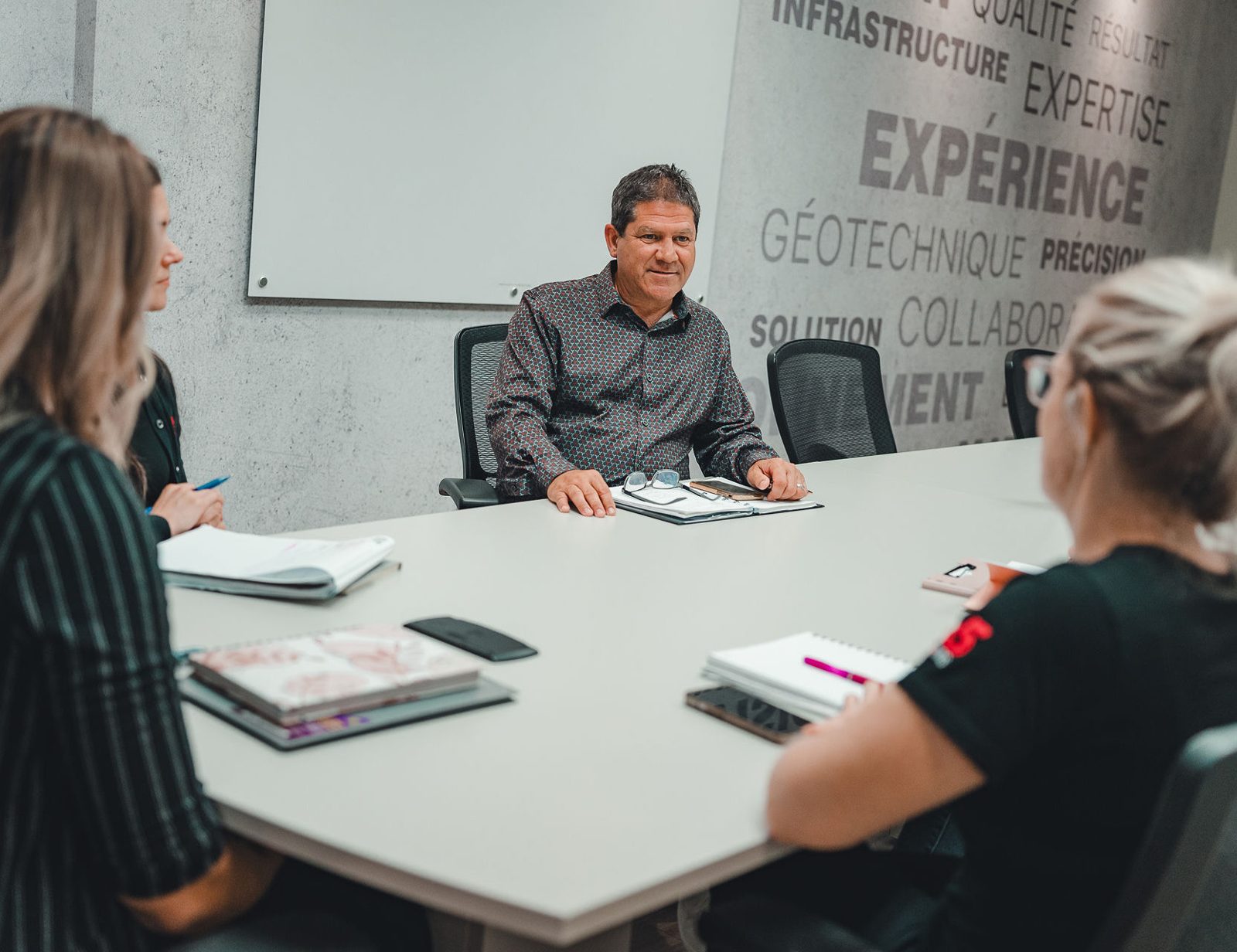
Make sustainability the new condition for profitability by systematically integrating non-financial issues into the company's strategic management.
Historically focused on financial performance indicators (growth and margins), our management now recognizes that this view is incomplete in the context of the new sustainable economy. Integrating priority issues such as expert retention, GHG emissions and governance integrity marks a major turning point. The costs of cleaner vehicles, better working conditions and accountability are now embraced as strategic investments. In a market where public clients and major contracting authorities favour responsible partners, our non-financial performance is becoming the condition for our future financial performance.
We must be able to demonstrate mathematically how a non-financial improvement (e.g., lower technician turnover or reduced GHG emissions) reduces operating costs (lower recruitment and training costs, talent attraction, better performance in calls for tenders).
Solmatech has already made a major shift in vision, no longer viewing its non-financial pillars as peripheral, but as integral components of running the company.

Ensure a strong, transparent ethical framework that guides decisions, prevents non-compliance risks and strengthens the trust of our employees, clients and partners.
Business ethics is an essential foundation of Solmatech's credibility and long-term performance. Although some internal rules of conduct and compliance mechanisms already exist, we recognize the lack of formal monitoring to assess the effectiveness of these practices or quickly identify ethical risks. We also want to strengthen awareness of and adherence to common standards, for employees as well as partners and suppliers.
Maintaining ongoing vigilance given the diversity of clients, suppliers and projects, where the risk of conflicts of interest is higher.
Promoting a consistent understanding of ethical rules in operational situations that are sometimes complex or ambiguous.
Strengthening ownership of ethical practices by all team members, beyond the existence of written rules.
Preventing unethical behaviour despite the current lack of performance indicators or formal monitoring.
Solmatech has already put in place internal rules of conduct and procedures related to operations and regulatory compliance, and has begun integrating digital documentation mechanisms through its SharePoint platform to strengthen the consistency and transparency of its practices.
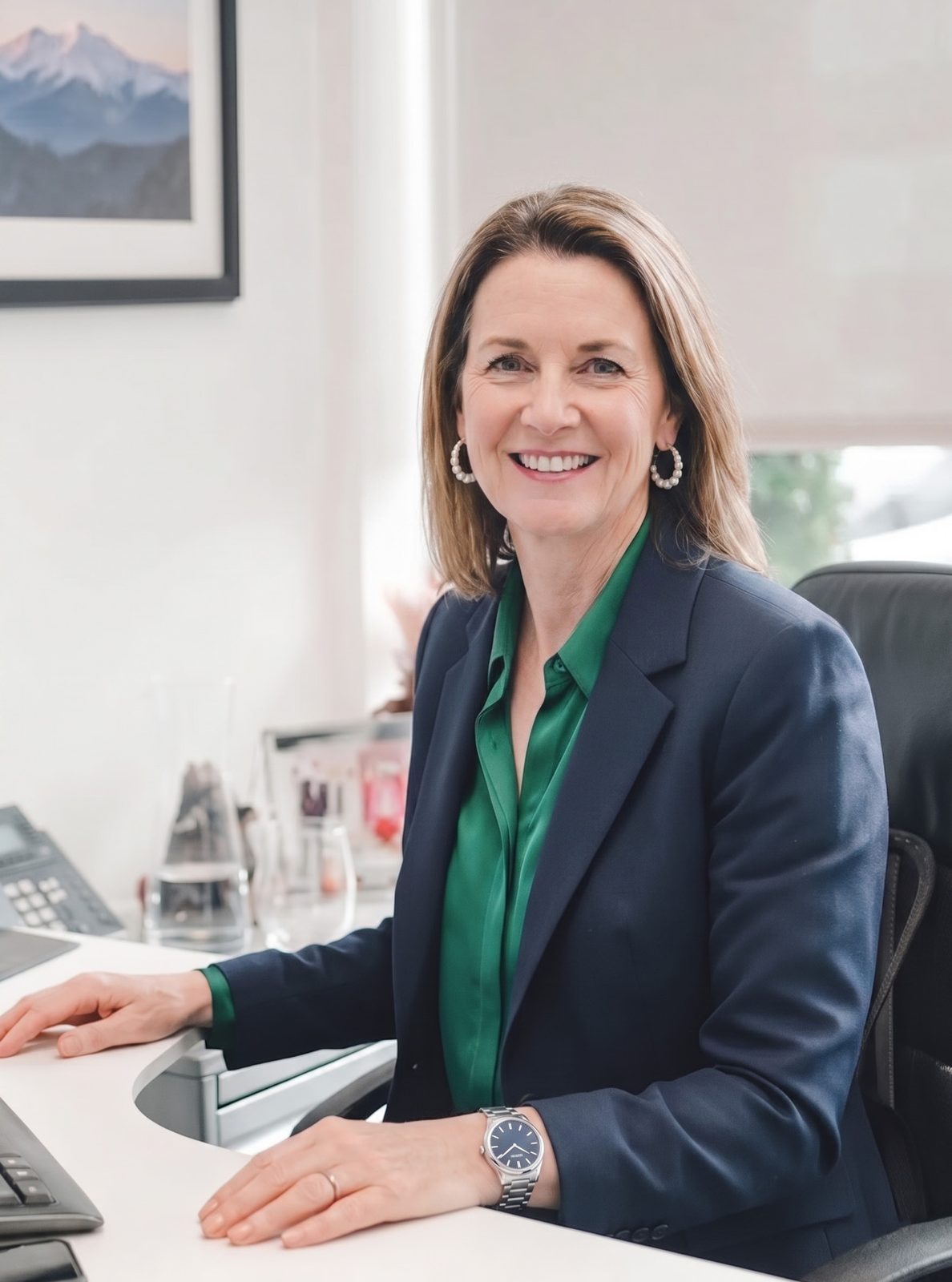
Implement an anonymous, secure mechanism allowing employees and partners to quickly report any unethical behaviour or risky situation.
Document, analyze and follow up on reports through SharePoint to strengthen transparency, detect trends and continuously improve internal policies.
Develop indicators to measure the effectiveness of existing practices, identify risks and track progress.
Develop targeted training to harmonize understanding of the rules, equip teams to handle grey areas and strengthen the organization's ethical culture.
Clearly communicate expected standards to suppliers and external collaborators to ensure ethical consistency throughout the value chain.
Find all our commitments, targets and actions in the PDF version of the 2026 ESG Report.
Download the report (PDF)
Social
At Solmatech, the success of every project rests on the expertise, know-how and commitment of our teams. Every test, every inspection and every recommendation is the result of the rigorous work of technicians, engineers and professionals working directly in the field and in our laboratories. The company recognizes that its performance is measured not only by the accuracy of its services, but also by its ability to do its part to improve the environments and communities where it operates.
By supporting training, safety and pride in a job well done, Solmatech acts as a responsible partner in the development of Quebec's communities and infrastructure. For Solmatech, doing its part means putting expertise and commitment at the service of the common good.
S